One magic material can address our biggest crises at once — and even solve several of them.
For a century we have taken, burned, and thrown away — leaving behind a wounded planet. The scale of the damage is staggering. But every problem below shares a single, unlikely answer.
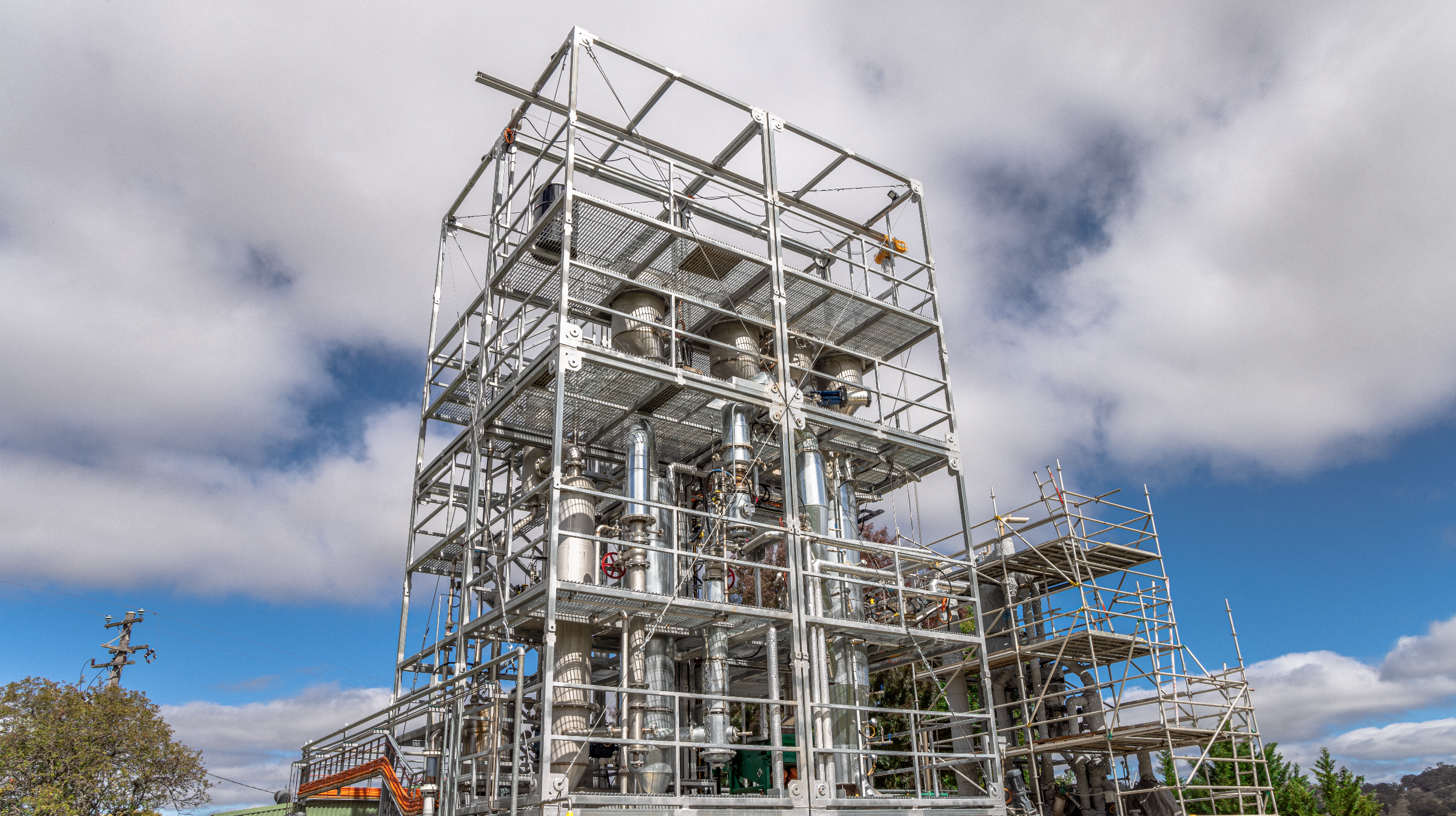
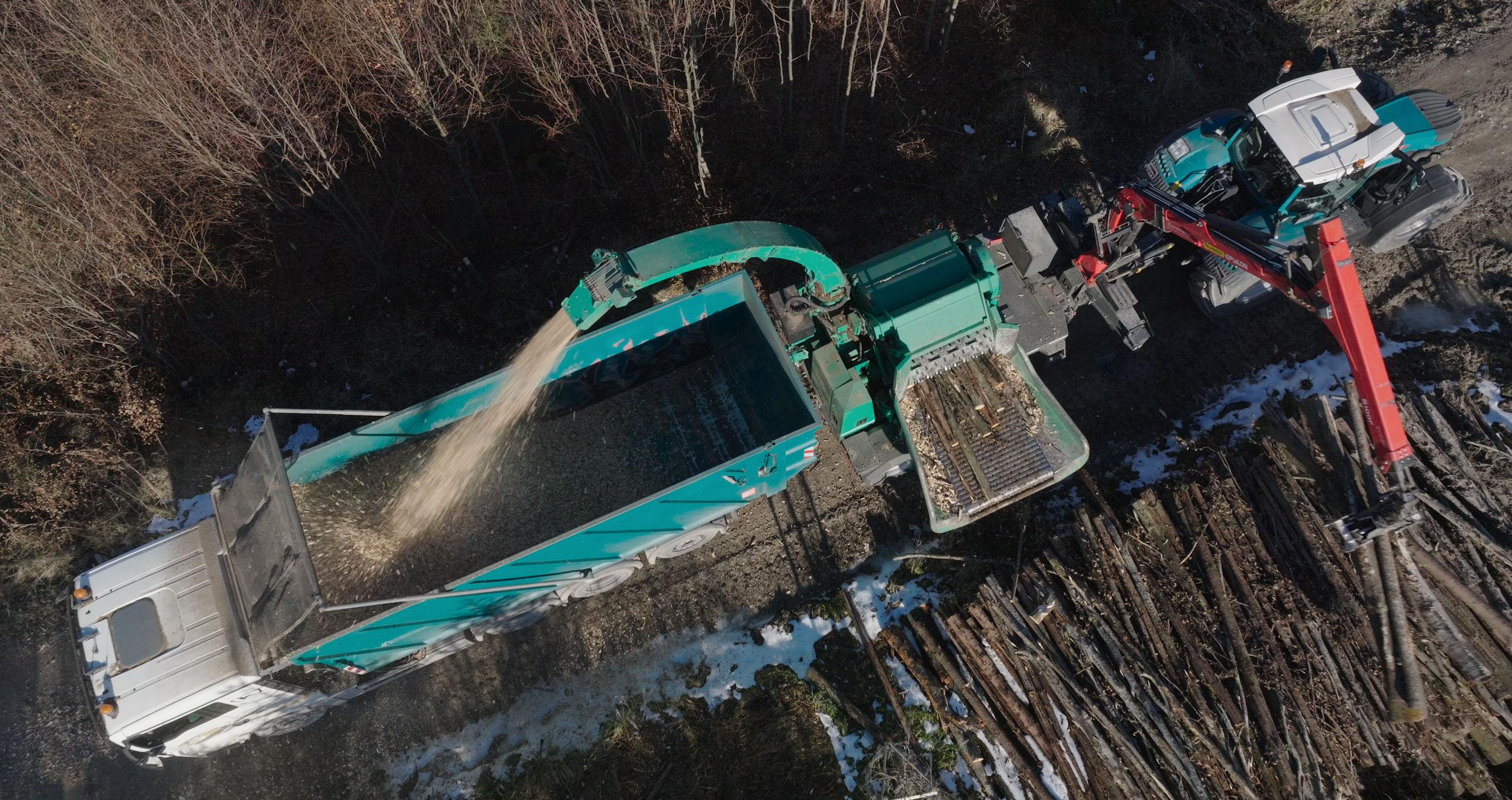
Imagine one material that can address all of these problems at once — and even solve several of them. It is stable, carbon-rich, and made through pyrolysis: the thermochemical conversion of biomass in a high-heat, oxygen-limited environment. This process binds carbon into the material rather than burning and emitting it as CO₂.
Black, light, and lifeless to the touch — yet a phoenix rising from the ashes. Biochar is the world's first and only fully circular waste-to-value product, one that can be integrated on every level of our society: carbon dioxide removal, waste reduction, soil support, water filtration, and industrial and municipal circularity.
It is circular, local, agnostic, and built from the bottom up. The Biochar Effect is the story of the people turning an ancient practice into one of the most promising tools we have to reverse climate change.
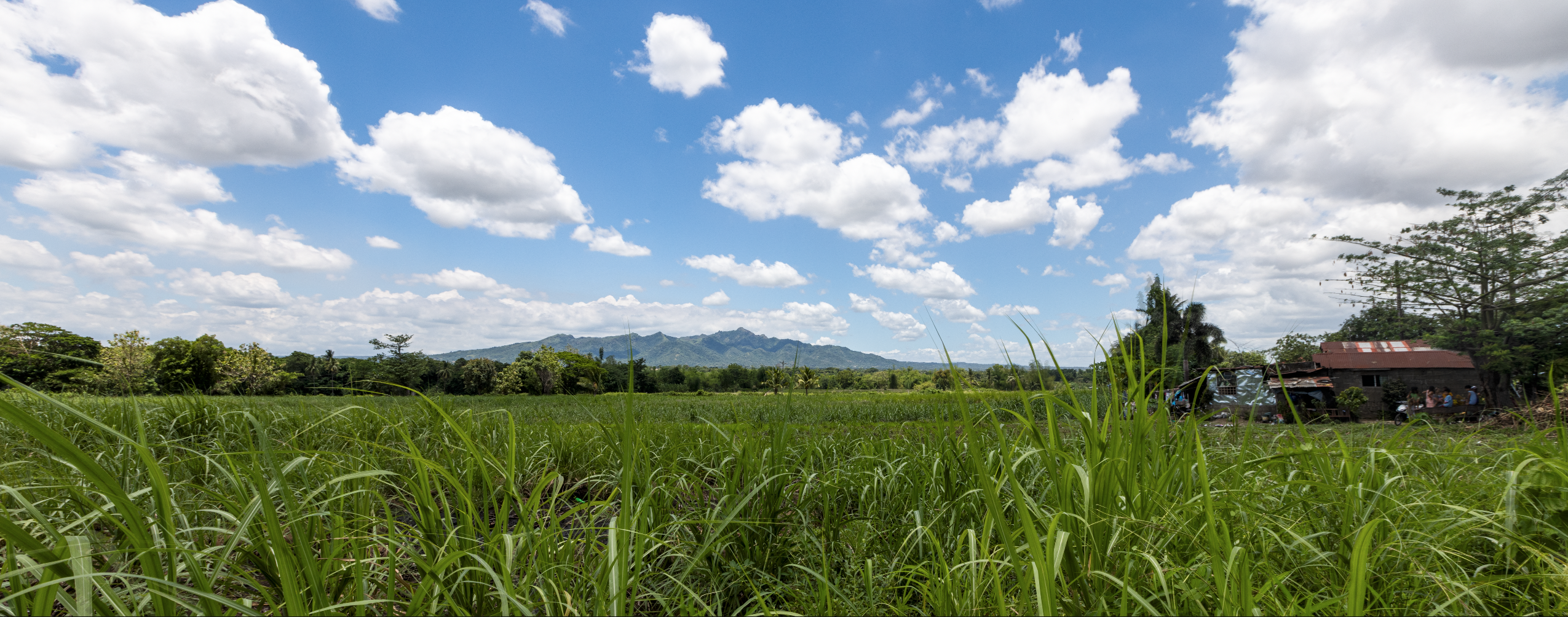
From the rice fields of the Philippines to the waste streams of Sydney, from Terra Preta in the Amazon to thought leaders decarbonizing concrete, feed, and filters — biochar is a movement building across every continent.





We've filmed more than 95% of the film and raised $450K of our $460K finishing goal. Sponsors and investors receive Executive Producer credits, invitations to premieres, and a place among the biochar visionaries stepping up at this critical moment.
Get the latest on The Biochar Effect — screenings, the science, and how to get involved.
 The Biochar Effect